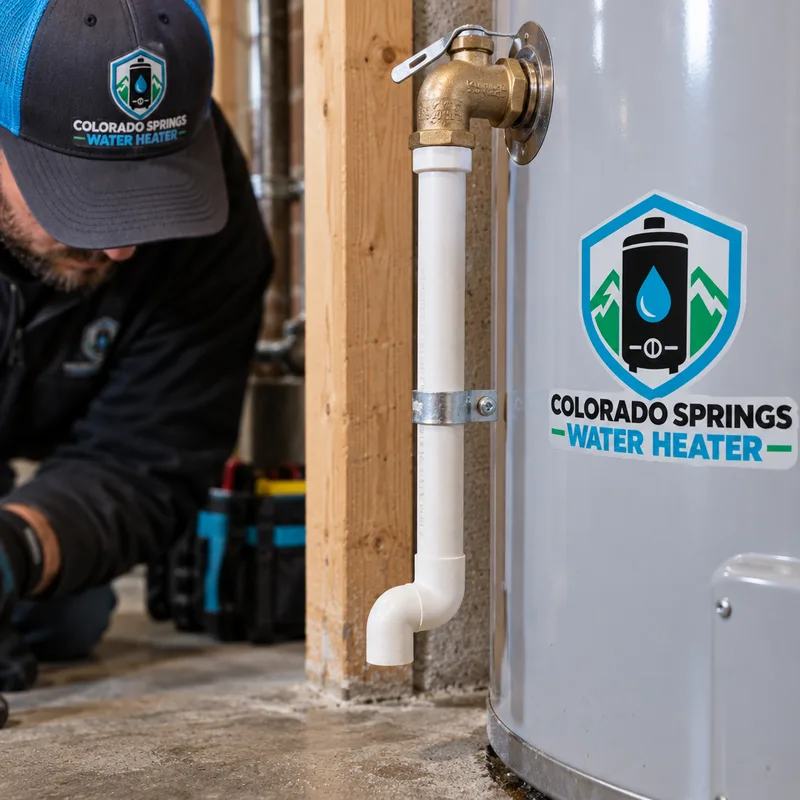
Standard tank replacement
Best when you want the simplest path back to reliable hot water. Pricing is driven by tank size, fuel type, and any needed code updates at the connections.
Serving Colorado Springs, Colorado & surrounding areas
Mon–Fri 8am–6pm · Sat 9am–2pm
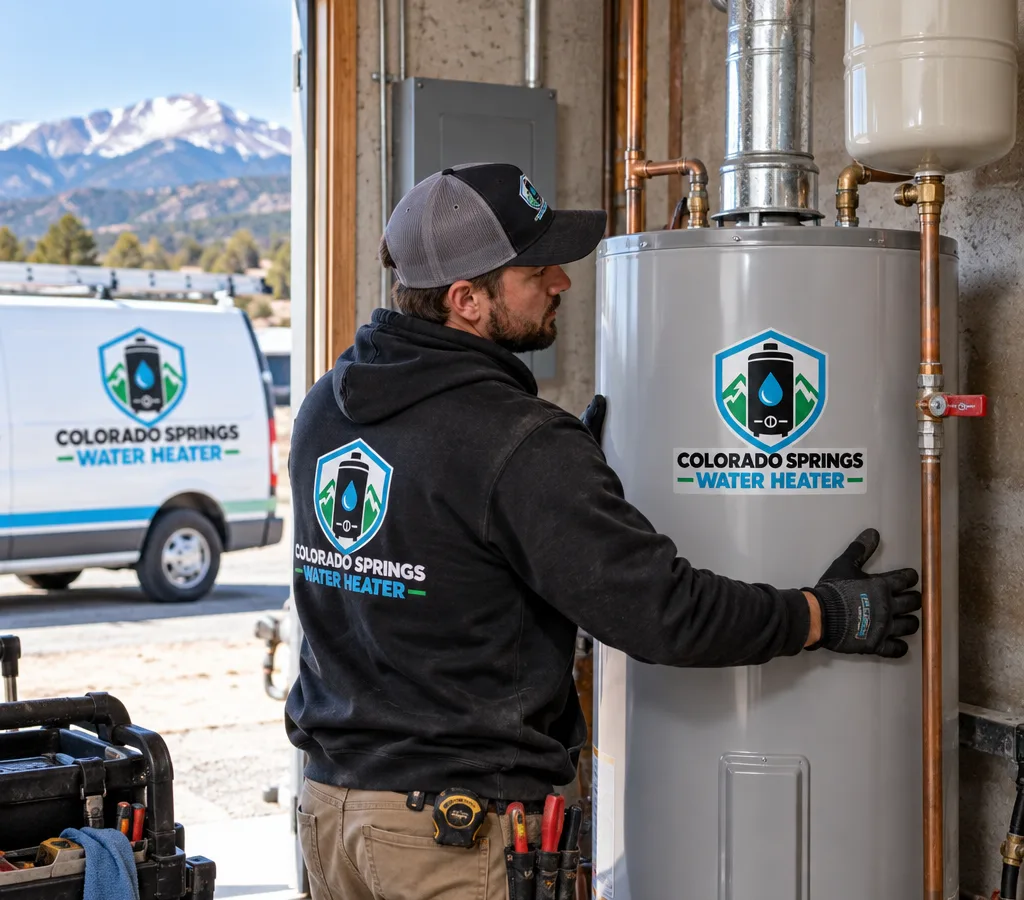
Water heater replacement in Colorado Springs
Get a clear, written price for the right size and type of water heater, installed to code with safe shutoffs, proper venting, and dependable hot water again fast.
Colorado Springs installation pricing
Water heater replacement cost in Colorado Springs typically ranges from about $1,600 to $3,800 for a standard tank replacement, installed. An electric water heater installation is often on the lower end, while a tankless water heater installation—especially gas with venting and piping changes—commonly runs about $3,500 to $8,500+.
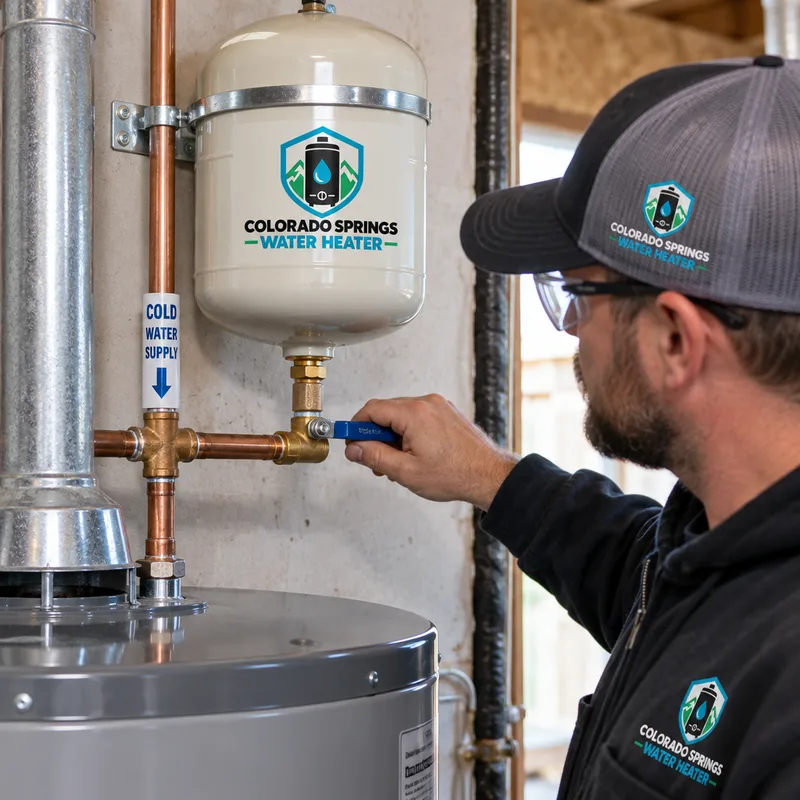
Your final water heater installation cost depends on fuel type (gas or electric), tank size, venting and gas line needs, code-required safety items like an expansion tank and drain pan, access, and whether any water damage or shutoff valves need attention. We confirm the exact price after an on-site inspection and a written scope.
Estimate factors
Two water heater quotes can look far apart even when the tanks seem similar. In Colorado Springs, the price usually changes because the installation details change.
Request a CallbackIf you are deciding whether to repair or replace, start with the condition and leak status of the current unit. A leaking tank is usually a replacement decision, while many no-hot-water issues can still be repaired.
Urgent replacement service
When a tank fails, time matters. Same day water heater replacement is often possible when the unit is actively leaking, you have no hot water, or the heater is unsafe to run.
Our water heater installer focuses on three things that keep the job moving without cutting corners:
If you are in an apartment-style mechanical closet near downtown, or dealing with a tight utility room in a newer build on the north side, access can be the difference between a quick swap and a longer install. We will tell you up front what the constraints mean for timing and cost.
Equipment and site choices
Best when you want the simplest path back to reliable hot water. Pricing is driven by tank size, fuel type, and any needed code updates at the connections.
Often a straightforward swap when the circuit and disconnect are already correct. If wiring or breaker sizing needs work, we include it in the written scope.
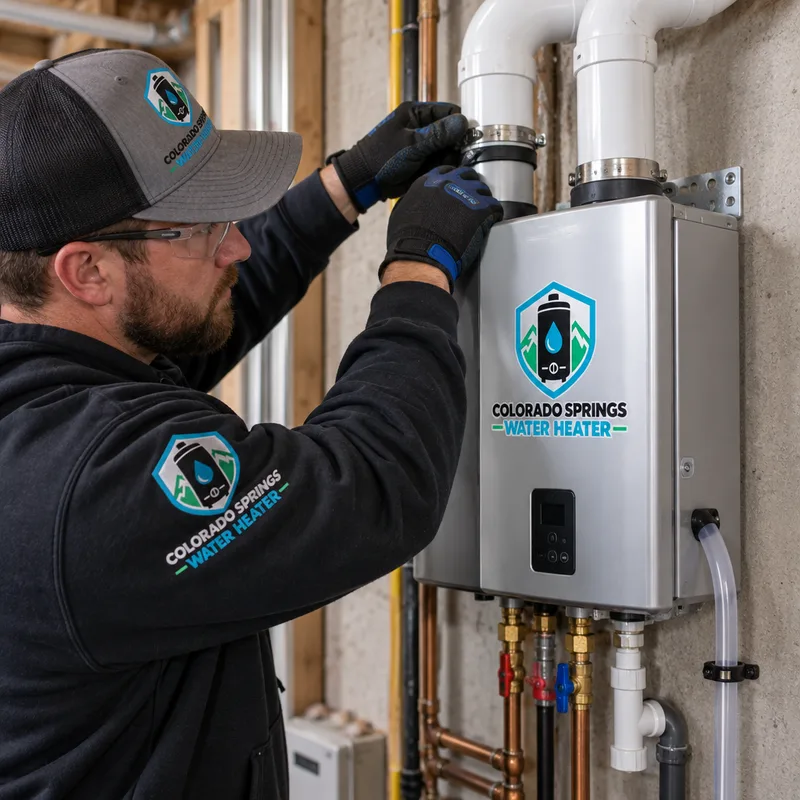
Higher upfront cost and more planning. The biggest variables are venting route, gas-line sizing, condensate drain for condensing units, and where the unit can mount.
Some homes need a different venting approach to meet the heater's requirements. Vent changes can move pricing more than the tank itself.
A stuck shutoff valve, corroded nipples, or undersized flex connectors can turn a swap into a safer, longer-lasting installation when corrected during replacement.
A properly installed drain pan and workable drain route matter in finished basements and interior closets where a leak can damage flooring and drywall.
From estimate to hot water
We confirm the water heater type, capacity needs, venting and electrical requirements, and any visible safety or code issues that must be addressed for a proper install.
You choose the option that fits your budget and hot-water demand. When urgent, we prioritize same-day or next-available installation based on equipment availability.
We shut off water, gas or power, and drain the tank as needed. The old heater is removed carefully, especially in tight basements and closet installs.
We connect water lines, verify shutoffs, install required safety components, and test operation. For gas units, we check for leaks and confirm proper draft and venting.
We remove the old water heater and packaging and leave the workspace clean. You get a simple walkthrough of operation and what to watch for.
Practical pricing answers
The biggest price swings come from venting, gas line sizing, electrical circuit requirements, and whether code and safety items have to be added or corrected. Two homes can have the same gallon tank but very different vent routes, shutoff valve conditions, or drain pan needs, and those details change labor and materials.
Often yes, because electric units do not require venting and typically have fewer combustion-related requirements. The exception is when the electrical circuit, breaker, or disconnect needs changes to match the new heater's requirements, which can add cost.
Tankless installation usually costs more upfront because it can involve new venting, gas piping changes, a condensate drain for condensing models, and mounting and routing work that a tank swap does not require. The best comparison is a written quote for both options based on your home's vent path and gas or electrical capacity.
Same-day replacement is often possible when the existing unit is leaking, unsafe, or you have no hot water, as long as the correct unit is available and the installation does not require extensive rework. We confirm timing after identifying the heater type, size, and venting or electrical constraints on site.
A solid quote lists the heater model and capacity, all labor, removal and disposal, connection materials, and required safety components such as a TPR valve discharge line, expansion tank where needed, and venting parts for gas units. It should also state assumptions, including whether shutoff valves and surrounding piping are serviceable.
A straightforward tank changeout commonly takes a few hours, while installations with venting changes, tight access, or tankless conversions can take longer. We give you a realistic time window after seeing the existing setup because access and code updates affect the timeline.
Permit requirements can depend on the scope of work and local rules, especially when fuel type, venting, or electrical circuits change. During the estimate, we explain what is required for your specific installation and build it into the plan so the work is documented and compliant.
Hidden issues around the heater are the usual cause: a shutoff valve that will not close, corroded nipples, unsafe venting, or an unworkable drain setup discovered after the old unit is removed. A careful on-site assessment before pricing reduces surprises because those constraints can be written into the scope.
Plan your replacement
Tell us what you have now—gas or electric, tank or tankless—and what is going wrong. Colorado Springs Water Heater will confirm sizing, installation requirements, and a clear water heater installation cost before any work starts.